Illustrated book
Painted plates, an endpaper, a map and a portrait in one painting’s style.
Drop in one painting whose style you love. Every plate is painted in exactly its palette and brushwork, while the map and the portrait get the inked looks of a classic sourcebook.
Start this workflowWhat it makes
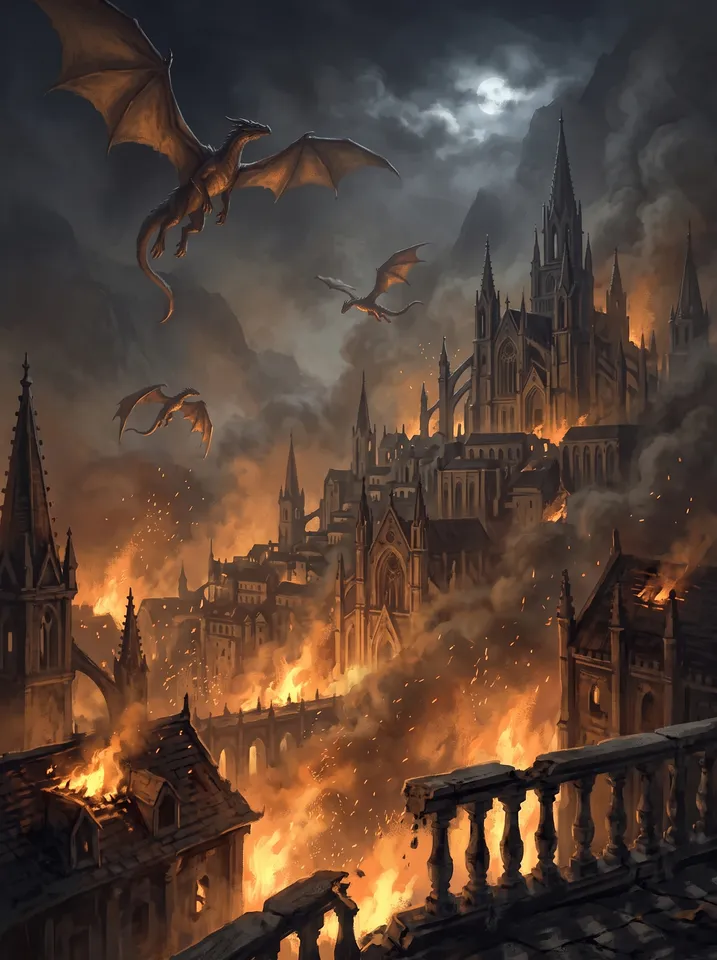
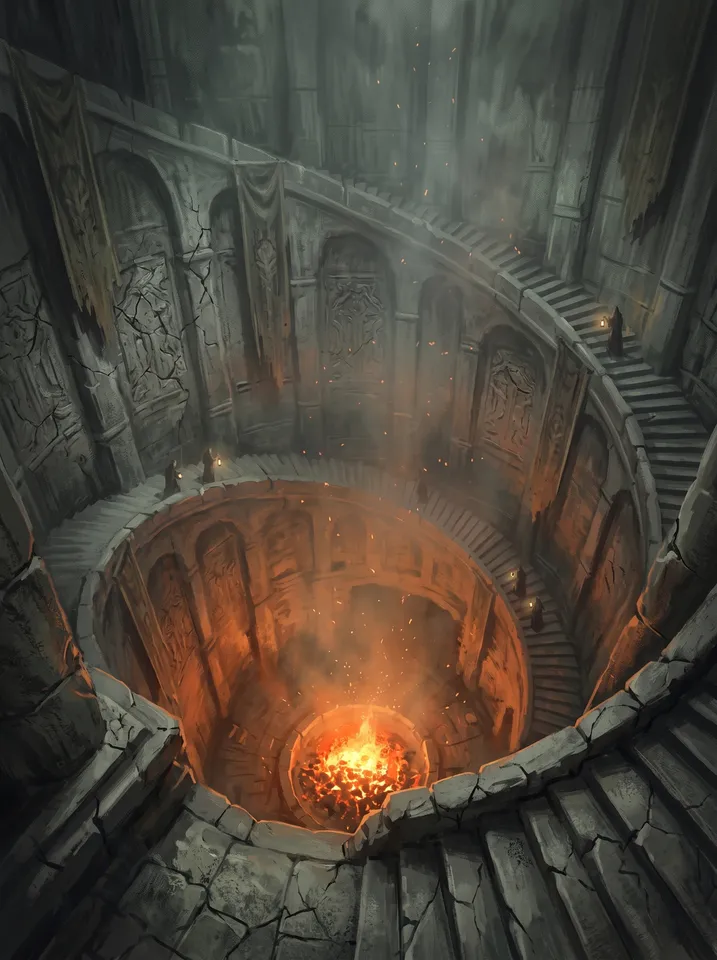
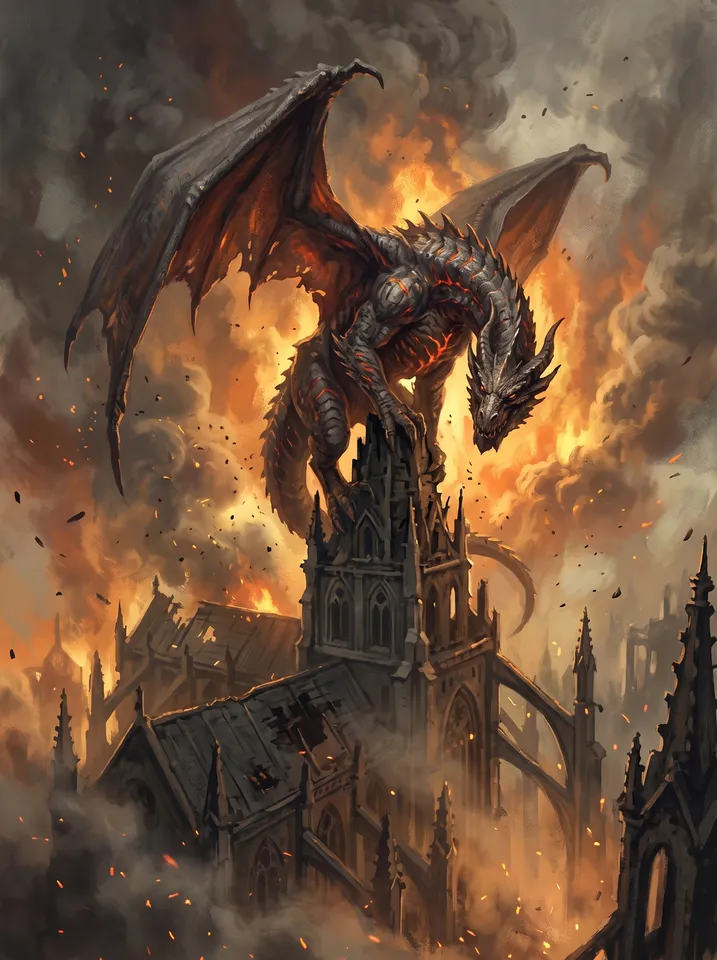
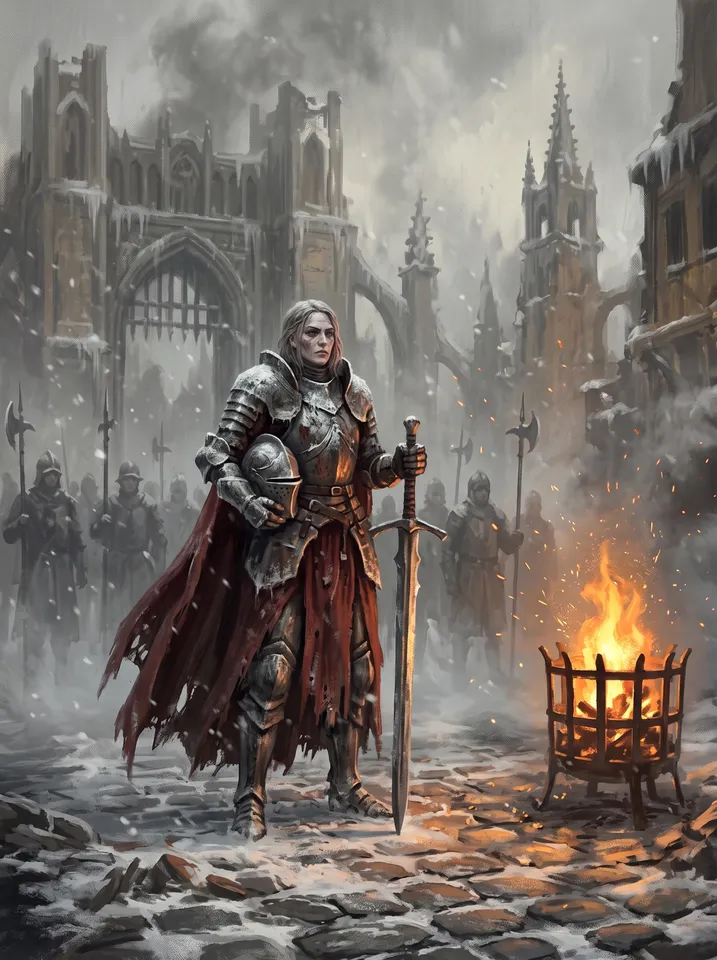
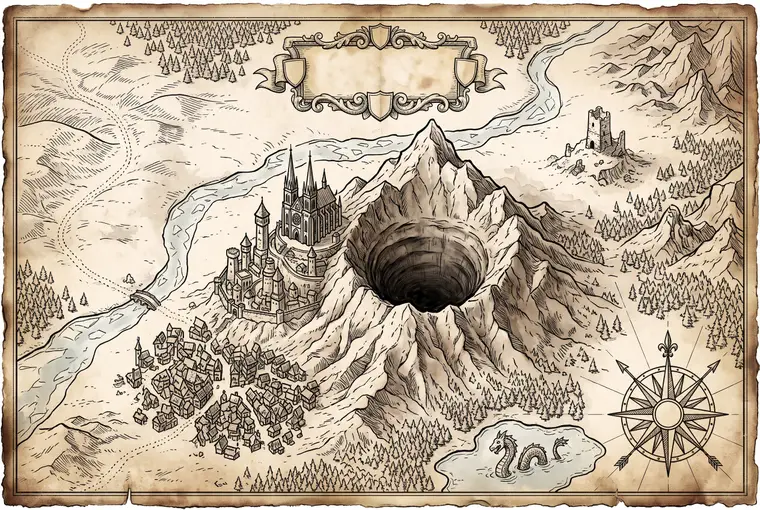
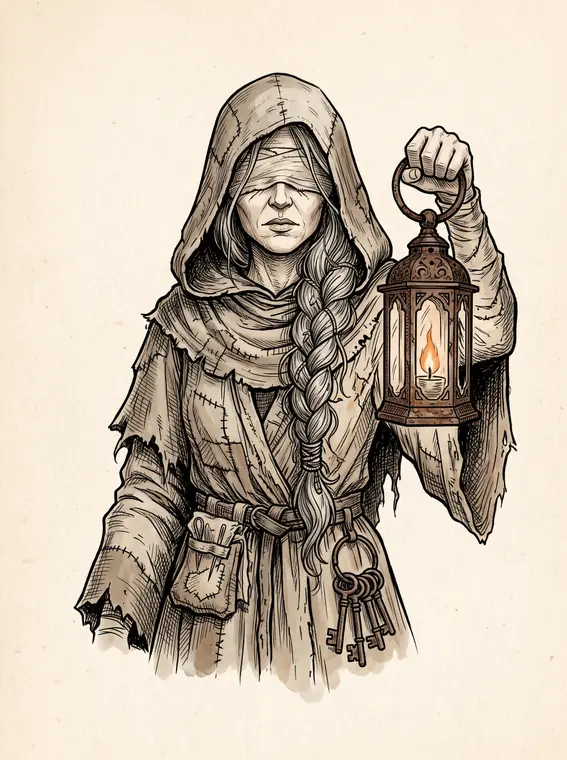
6 things in 2 steps. Every example here was made in Fil with this workflow.
How it starts
- Say what you want“Plates for a dark fantasy book about dragons nesting in a ruined cathedral city”, or a picture. Nothing to upload first.
- Pick from a few choicesClaude asks about the world, the moment in each plate and who the portrait shows, and tells you if a file is missing.
- Generate allEndpaper, Plate I, Map and Portrait first, then each next step as soon as what it needs is ready.
What you put in
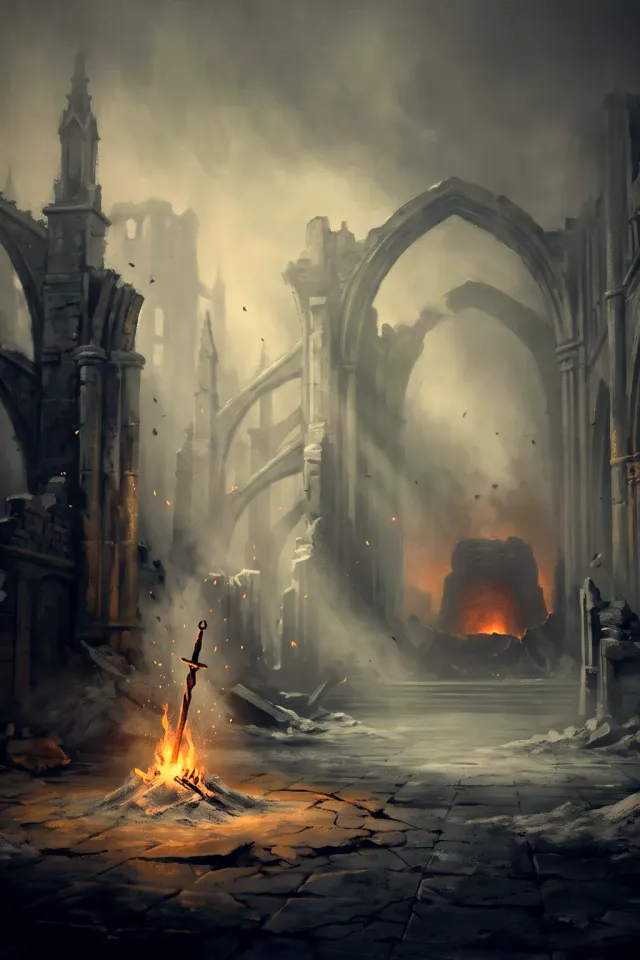 Style referenceOne painting whose style, palette and brushwork every plate follows. Like this one.Needed
- Or start from one of these styles, picked for this workflow:
 Sepia ink
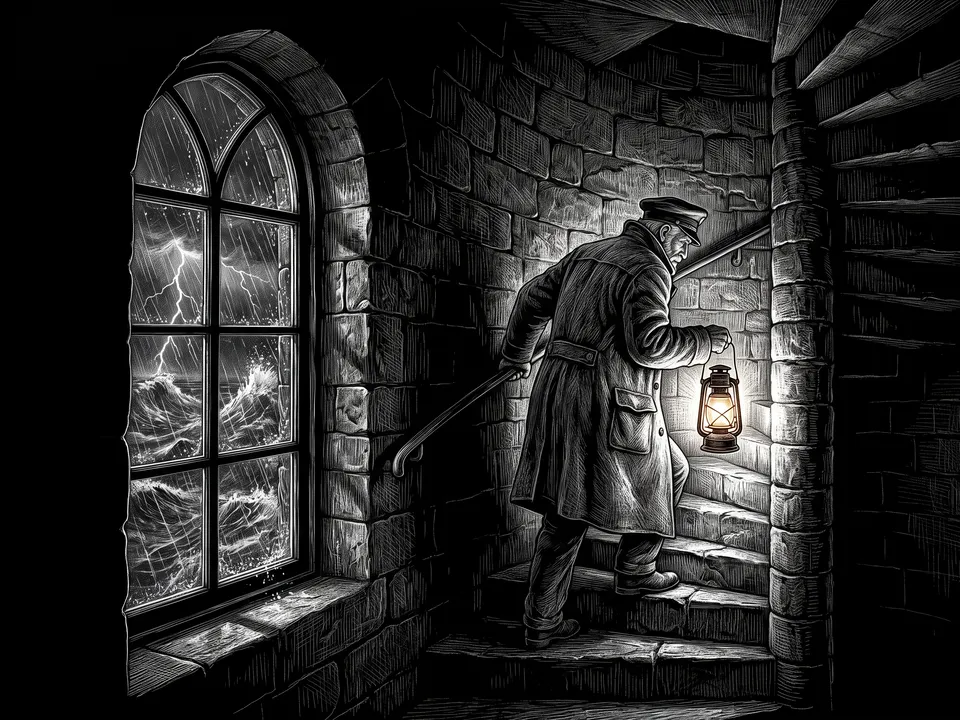 Scratchboard
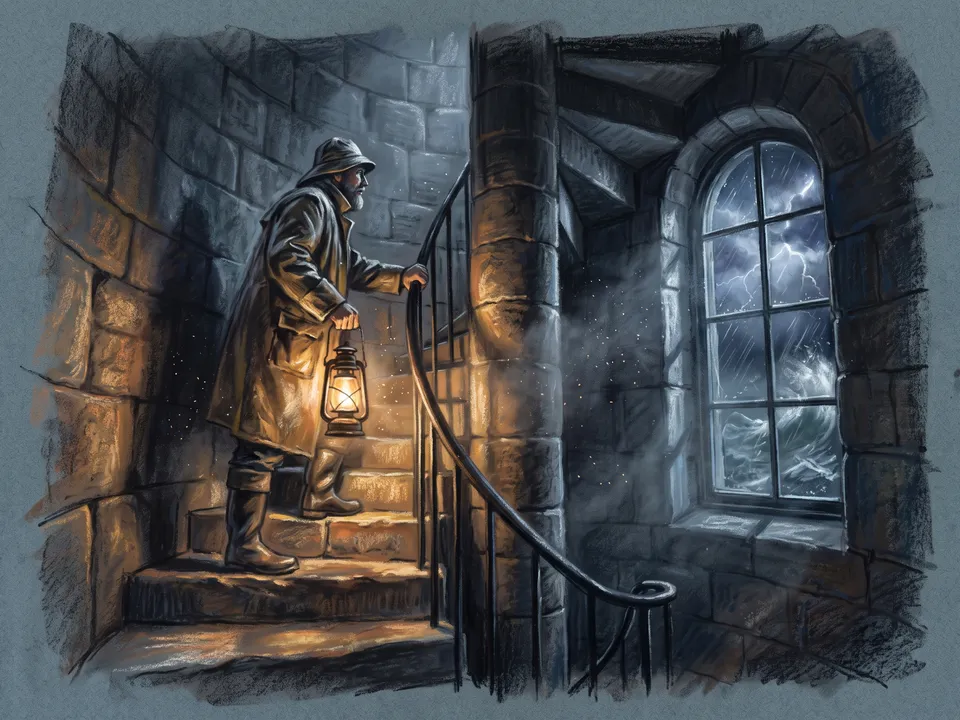 Pastel chalk
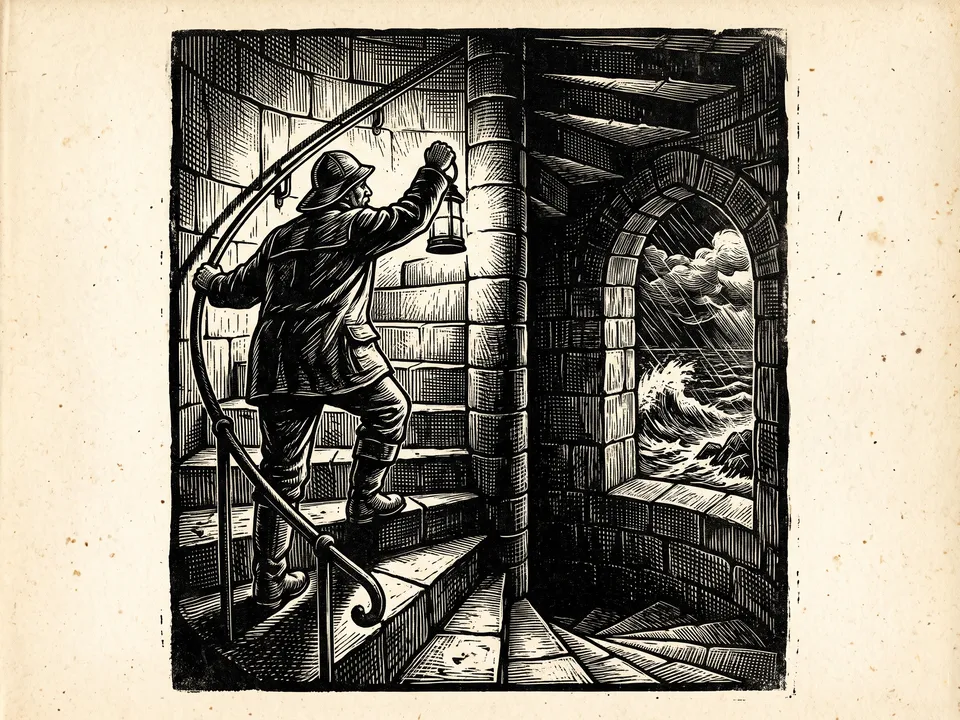 Woodcut
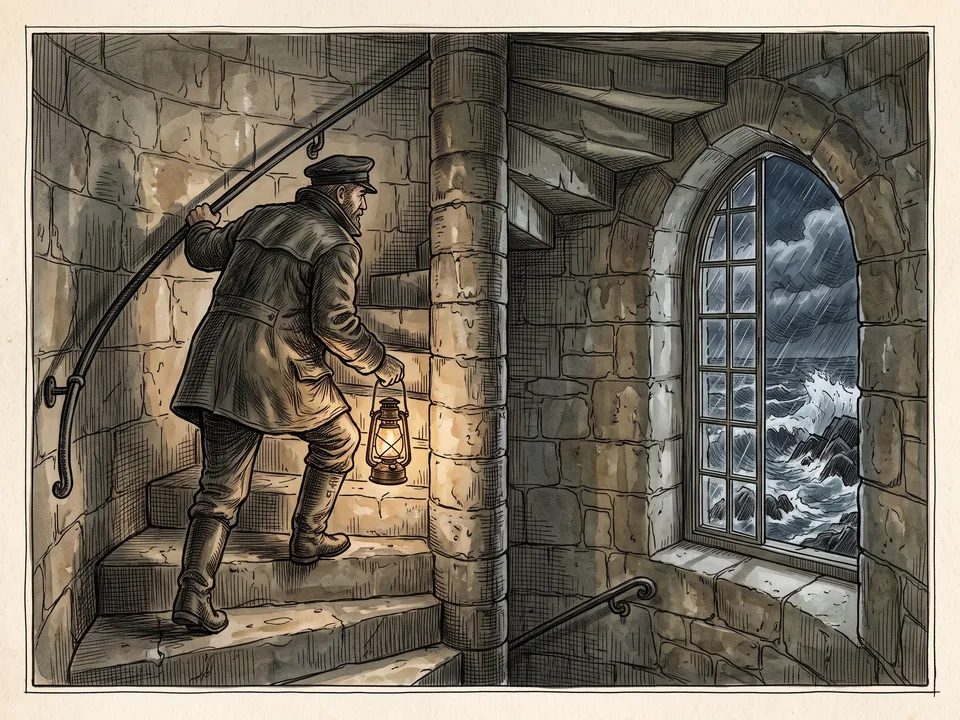 Golden age
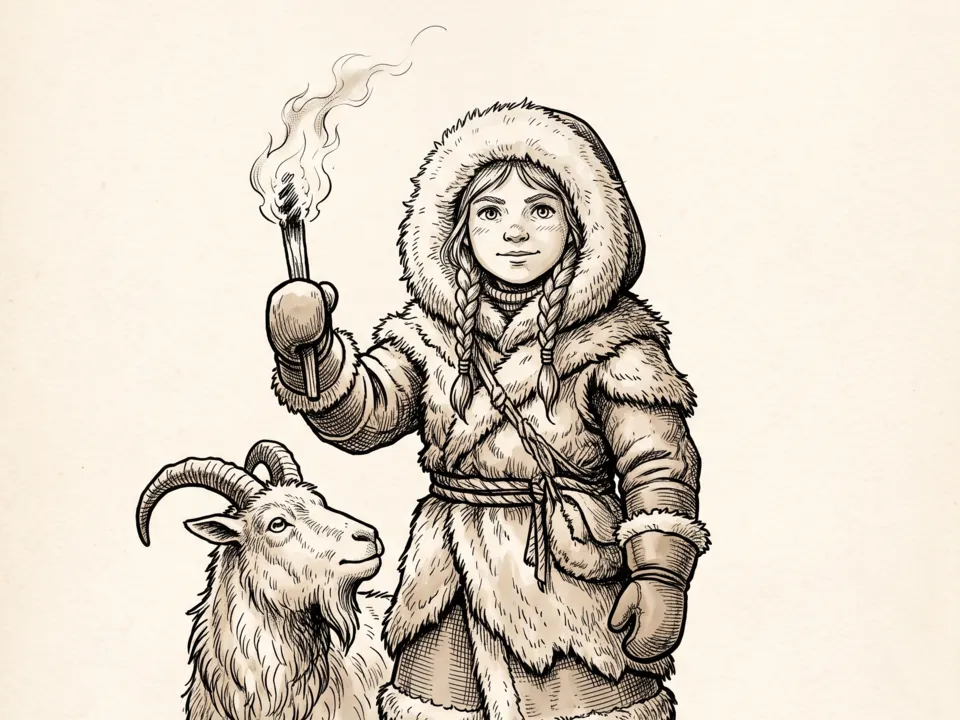 Pencil
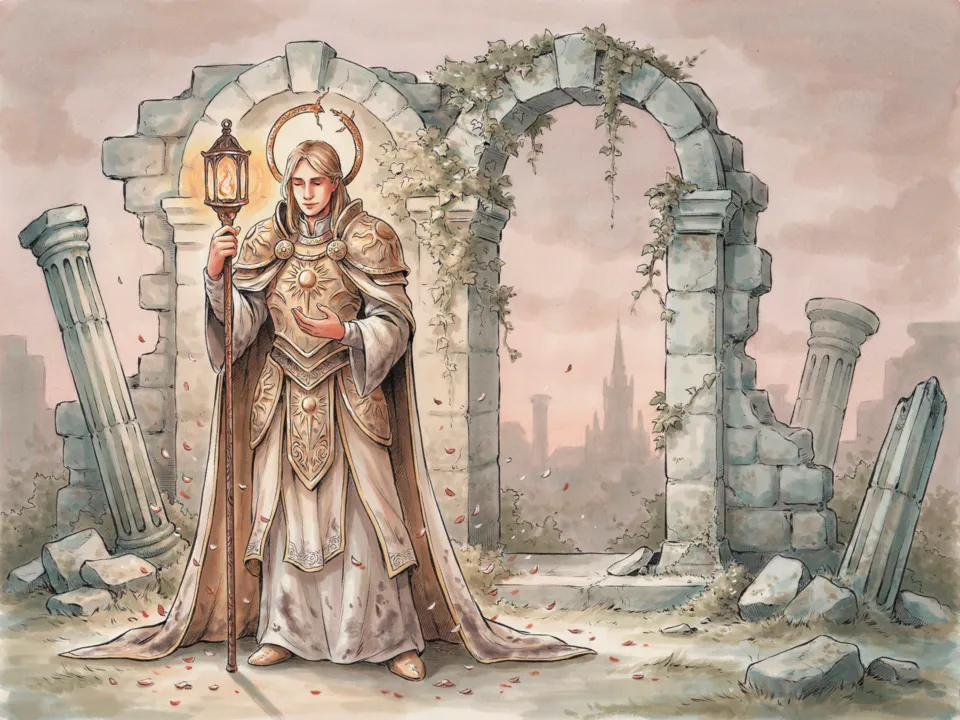 Watercolour
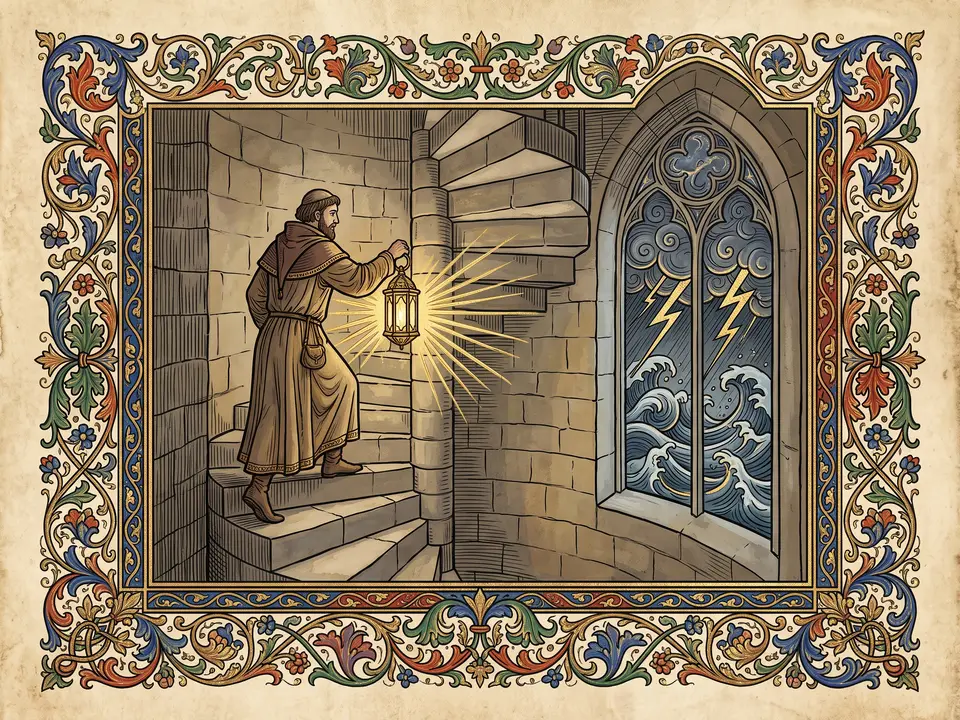 Illuminated
- Book.mdThe world, the characters and what each plate shows. Claude fills it in from your answers, or you can.Brief
Nothing has to be uploaded to start: the canvas opens with a place for each file, ready when you are.
How it runs
Generate all runs it left to right: each step starts as soon as what feeds it is ready, and you see the whole price first. Or run any step yourself.
Step by step on the canvas
- Generate Endpaper, Plate I, Map and Portrait: each paints straight from Book.md.
- Generate Plate II and Plate III: they follow Plate I, so faces and brushwork stay the same.
- Want more? Add plates after the last plate writes the next moments into Book.md and adds their plates.
Skill
The craft every step follows, written out. It comes with the workflow, and you can change it on the canvas.
Read the skill
Book plates
Read first
The style reference wired in sets the look for everything: its palette, brushwork, light and texture, never its scene. Book.md says what each plate shows.
Plates (3:4)
- One moment per plate, painted in exactly the reference's style, palette and brushwork, but a new picture: its own place, composition and camera from Book.md. Never the reference's buildings, objects or layout with a figure added, and no two plates on the same background.
- A clear focal point lit by a source you can see (fire, a lantern, the moon), with atmospheric depth behind it.
- Characters keep their looks from Book.md plate to plate (age, face, eyes, hair, which hand holds what, which shoulder the braid falls on), and so do the things they carry (the lantern or sword exactly as Book.md describes it, held in a hand, never floating).
- Each plate its own pose and camera: a wired plate lends faces and brushwork, never its figure or layout.
- The plates follow Book.md's order as one journey: each a later moment and a new place than the one before.
- No text, border or frame: the plates go onto the page as they are.
Endpaper (3:4)
A tall, sweeping view of the world from high up, epic and busy at the edges and calmer at the top where the title will sit.
Map (3:2)
A hand-drawn map in the book's own ink and palette on aged paper: coastlines, rivers, and the places from Book.md drawn as small landmarks, each named in small hand lettering spelled exactly as Book.md writes it, with the book's title in a cartouche and a compass rose.
Portrait (3:4)
One character at three-quarter length in ink with cross-hatching and a sepia wash on cream paper, holding the thing they're known for.
Avoid
Style drifting between plates, modern objects, readable text in plates, and faces that change.
Wired into 6 steps on the canvas, where you can change it.
More workflows
 Logo and brand guideThree directions of marks, then a brand board and a brand guide page.About 4 minutes
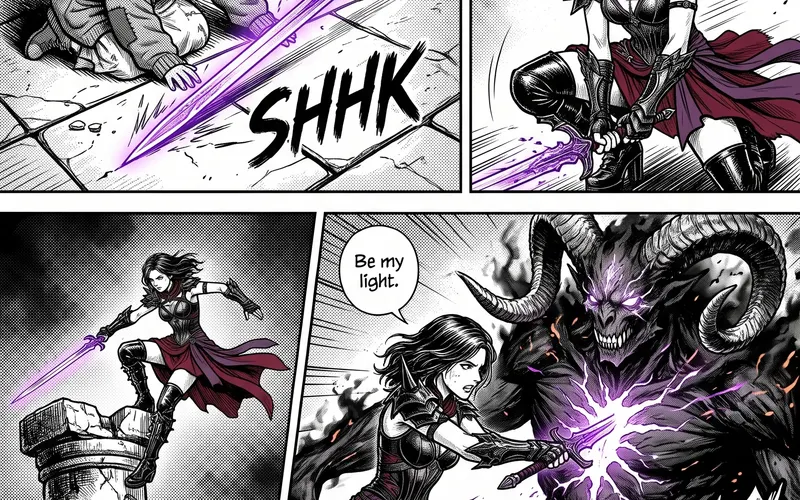 Manga chapterA cast sheet, a places sheet, a cover and inked pages that tell one short story.About 5 minutes
 Product photoshootYour product in a studio shot, a second angle, a close-up and a colourway.About 3 minutes