Children’s book
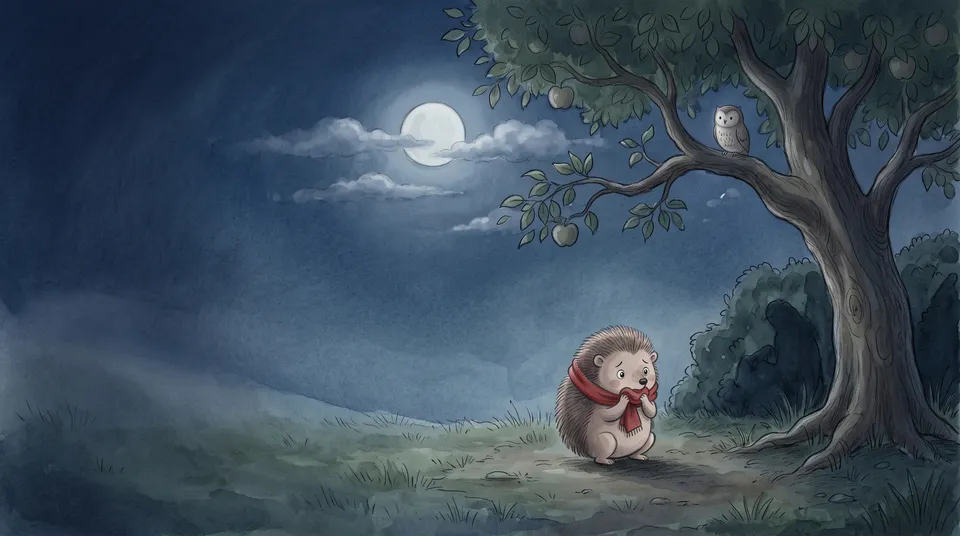
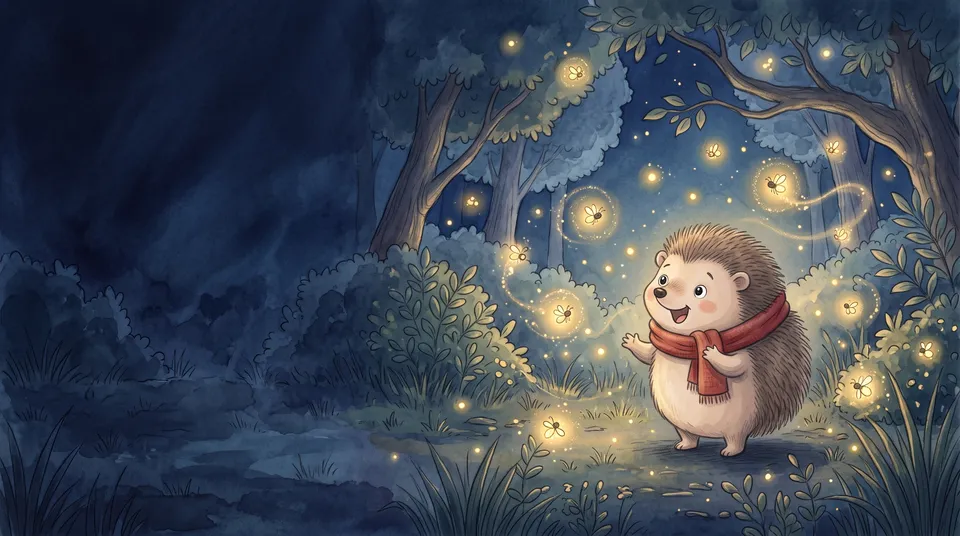
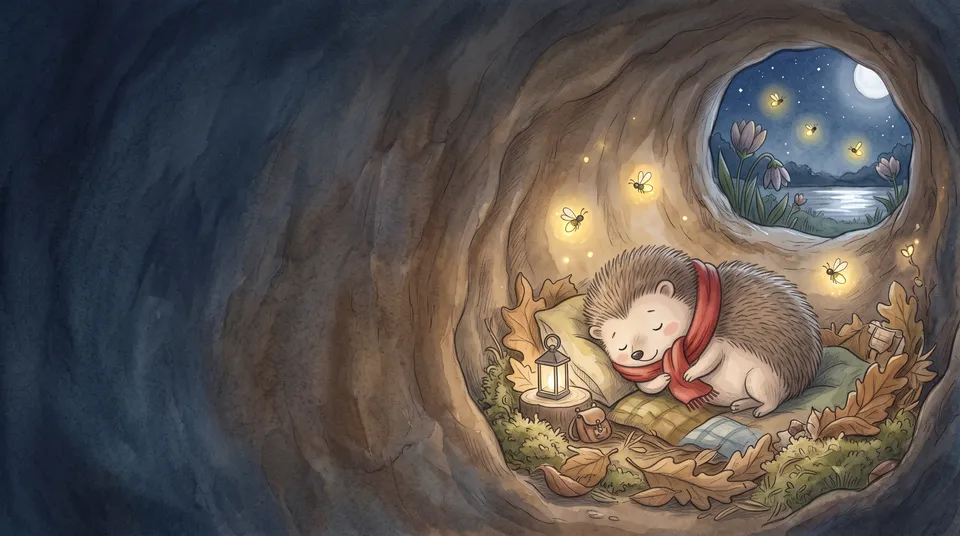
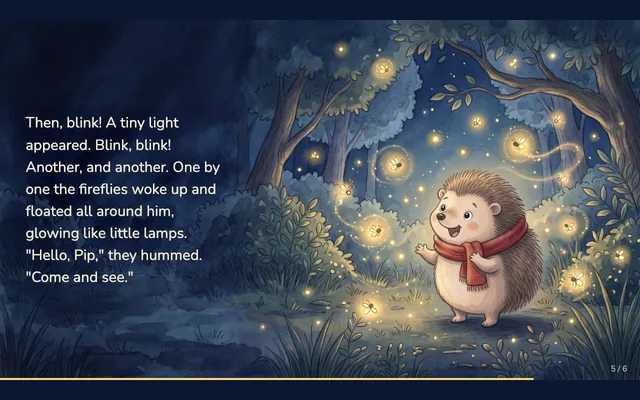
A picture book: the hero, a cover, five illustrated spreads, the book to page through and a read-aloud.
Say what the story is about, or write it in Story.md. The hero sheet fixes how your hero looks, every spread keeps it, the book sets your words on the pictures to page through, and the read-aloud reads it at bedtime pace. Add spreads to make it longer.
Start this workflowWhat it makes
Also makesPlaces sheetRead-aloud
10 things in 3 steps. Every example here was made in Fil with this workflow.
How it starts
- Say what you want“A bedtime story about Pip, a little hedgehog who is afraid of the dark, for ages 3 to 5”, or a picture. Nothing to upload first.
- Pick from a few choicesClaude asks about the hero, the look of the pictures and what the story is really about, and tells you if a file is missing.
- Generate allHero sheet, Places sheet and Read-aloud first, then each next step as soon as what it needs is ready.
What you put in
- Hero referenceA drawing or photo of the hero, if you have one.Optional
- Style referenceA picture whose style the book follows.Optional
- Or start from one of these styles, picked for this workflow:
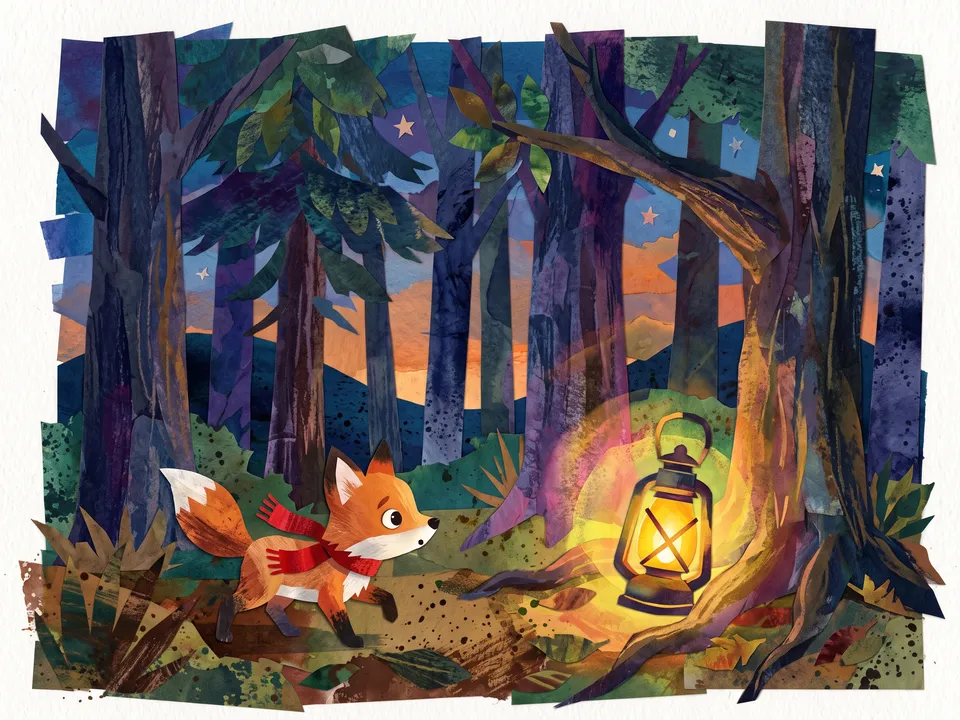 Cut paper
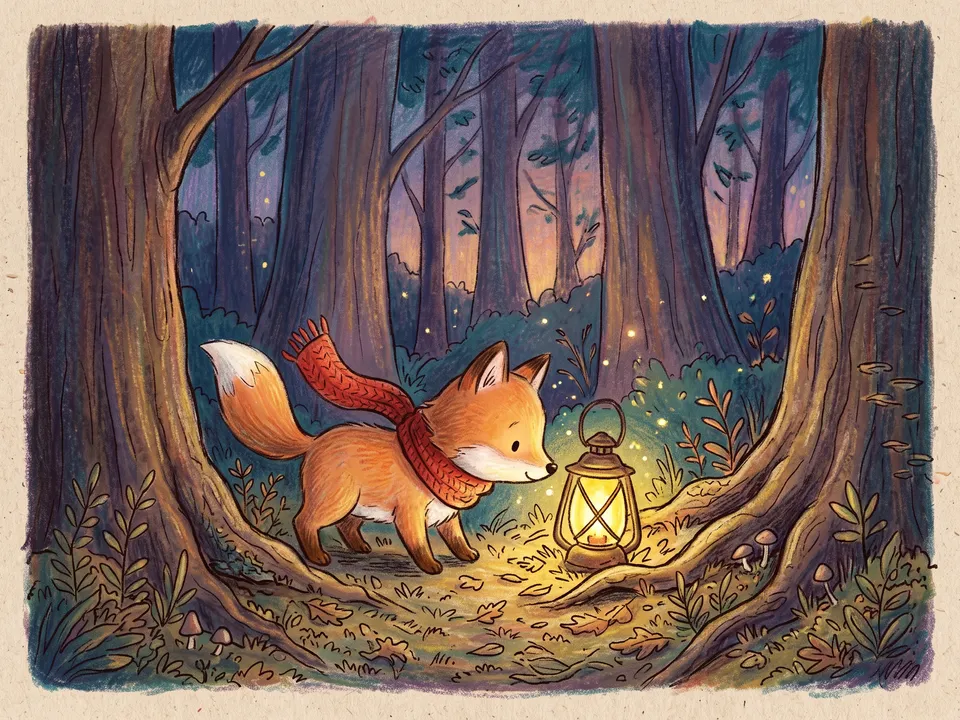 Crayon
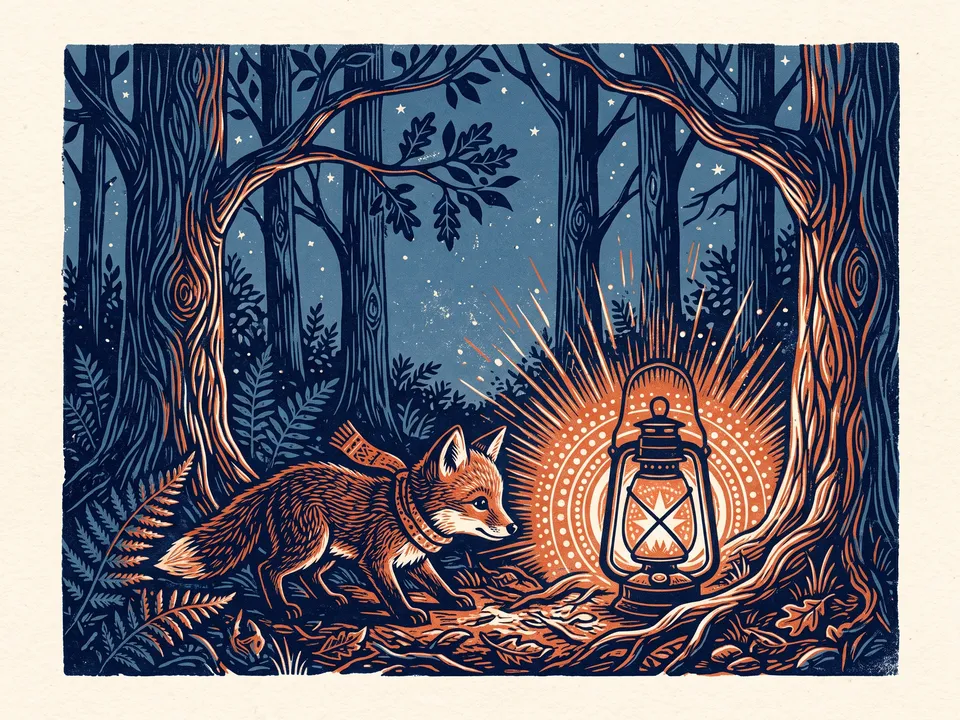 Linocut
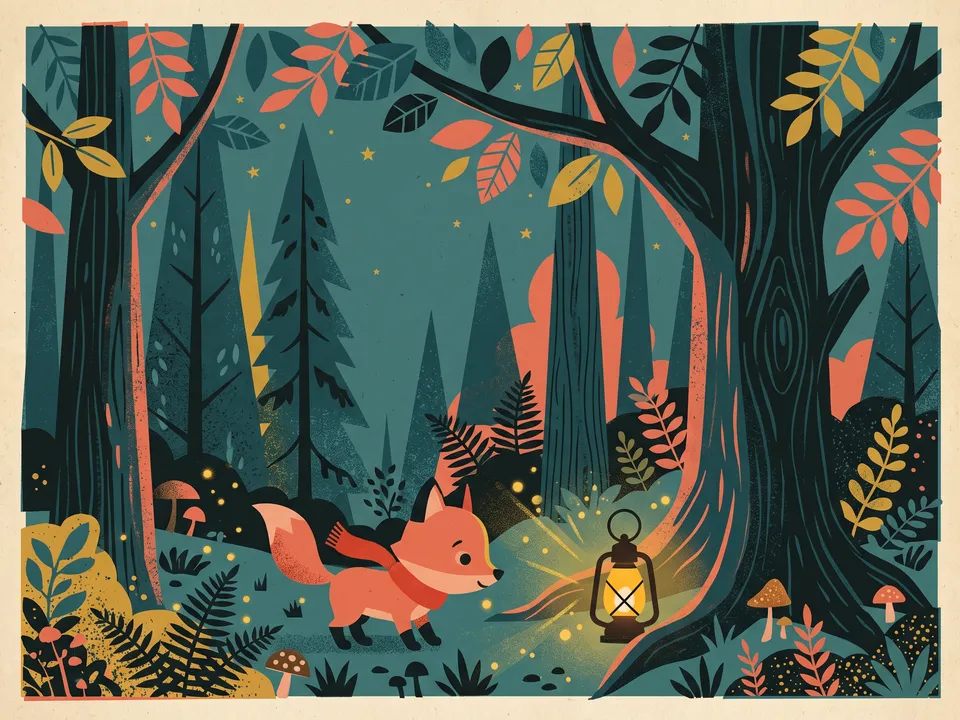 Mid-century picture book
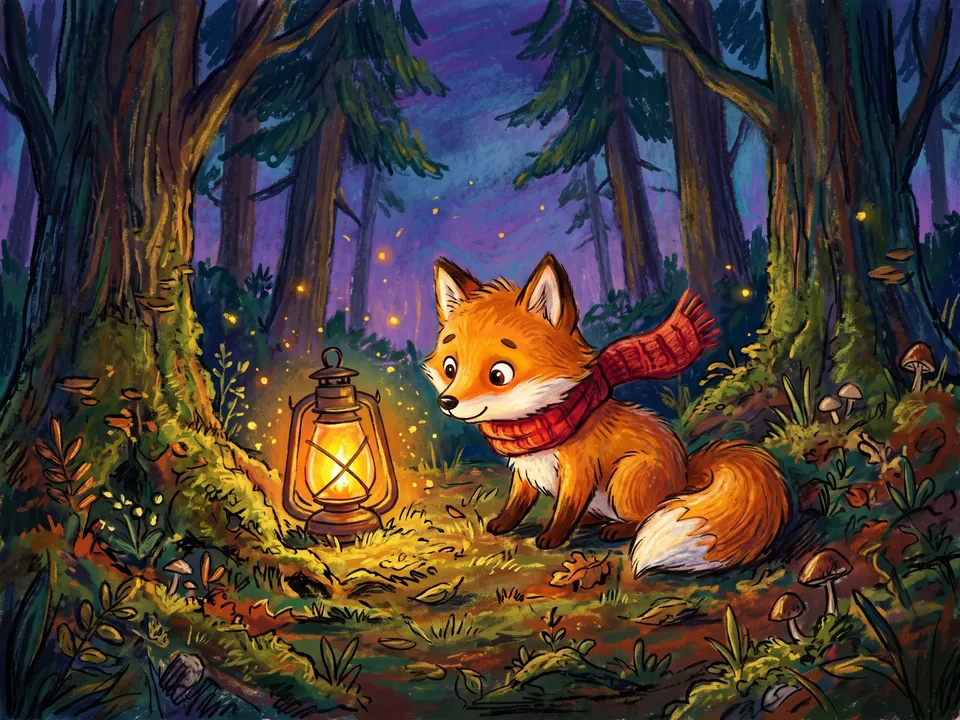 Oil pastel
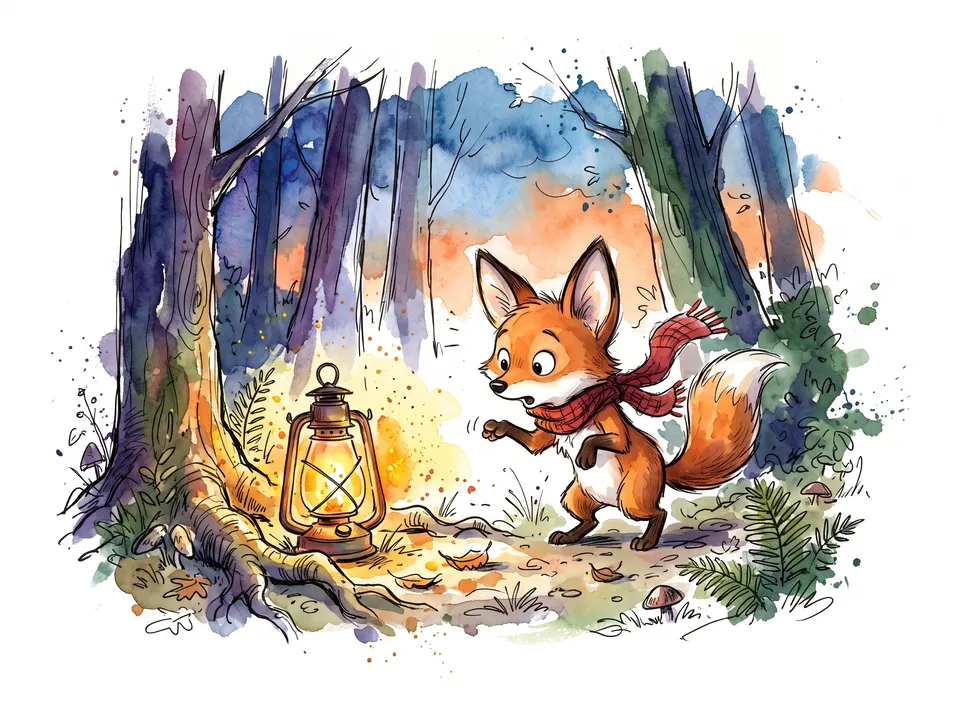 Loose ink
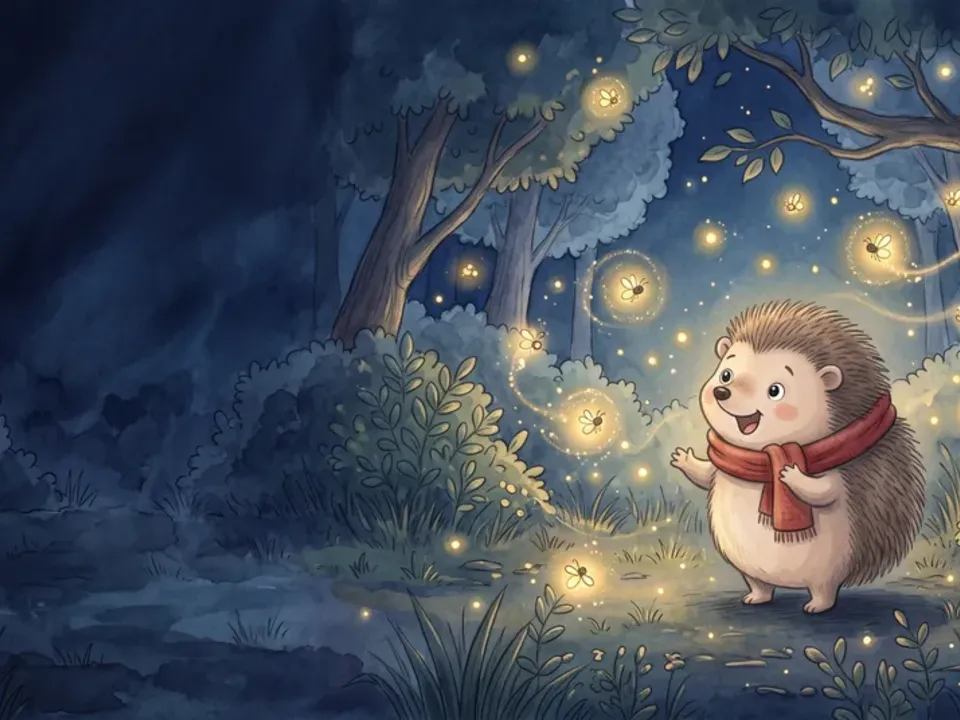 Picture book
 Clay 3D
- Story.mdThe title, the hero, the heart, the look and each spread. Claude fills it in from your answers, or you can.Brief
Nothing has to be uploaded to start: the canvas opens with a place for each file, ready when you are.
How it runs
Generate all runs it left to right: each step starts as soon as what feeds it is ready, and you see the whole price first. Or run any step yourself.
Step by step on the canvas
- Generate Hero sheet and Places sheet: they set how the hero and their world look.
- Generate Cover and Spread 1 to Spread 5: each keeps both sheets, and Claude keeps the better of two takes of each spread.
- Generate Book to page through it with the words set, and Read-aloud. Add spreads makes the story longer.
Skill
The craft every step follows, written out. It comes with the workflow, and you can change it on the canvas.
Read the skill
Picture book
Read first
Story.md for the title, the reader's age, the hero, the heart of the story, the refrain, the look and every spread's words and picture; the hero and style references wired in.
The story
- For ages 3 to 6: 20 to 40 words a spread, short sentences, words a child knows and a few delicious ones, rhythm and a refrain the child can join in on.
- A hero with one want or fear, tries that build, a page-turn surprise, and a warm, quiet ending that brings the refrain home.
- The words leave the pictures work to do: they never describe what the picture already shows.
Hero sheet (16:9)
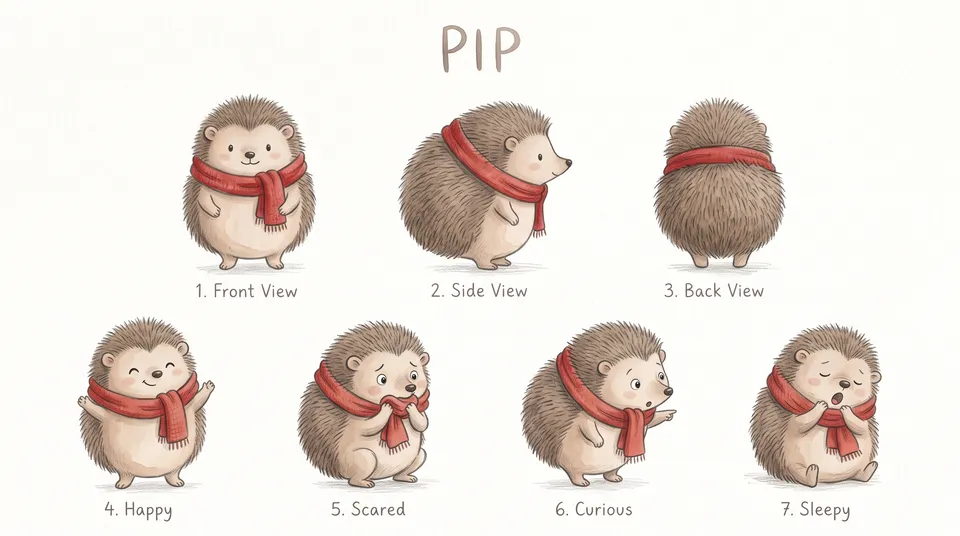
The hero in front, side and back views and four expressions (happy, scared, curious, sleepy), at one scale on a plain background, in the book's style: the look every page keeps.
Places sheet (16:9)
Every place in Story.md's Places, each once, as a design sheet rather than scenes: each place's landmark drawn on its own as a vignette on plain paper (the round green door in its oak root, the leaning sign on the path, the log in the clearing), with no sky, horizon or background around it, in the book's style, with no characters and no words. Only the places themselves: nothing the story moves or carries (the lantern Pip takes, a bag, a ball). Every spread and the cover draw these landmarks as this sheet does, each spread painting its own new scene around them, so the journey moves on from spread to spread.
Cover (3:4)
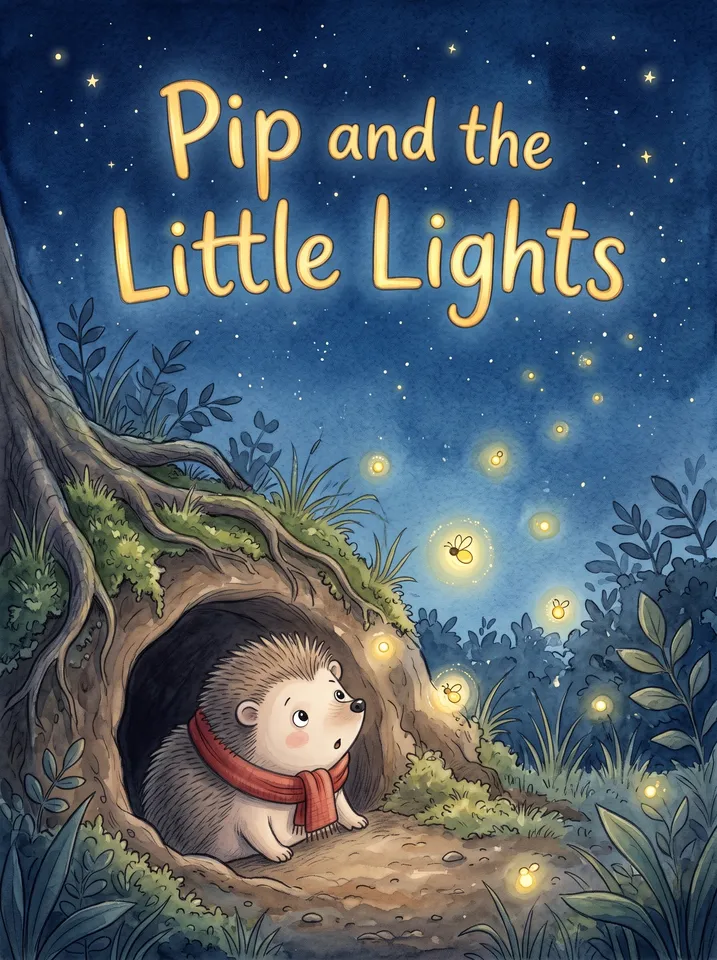
The hero large and full of feeling in the story's world, never giving away the page-turn surprise, the title exactly as Story.md spells it in playful hand lettering at the top, and the author's name small at the bottom when Story.md gives one.
Spreads (16:9)
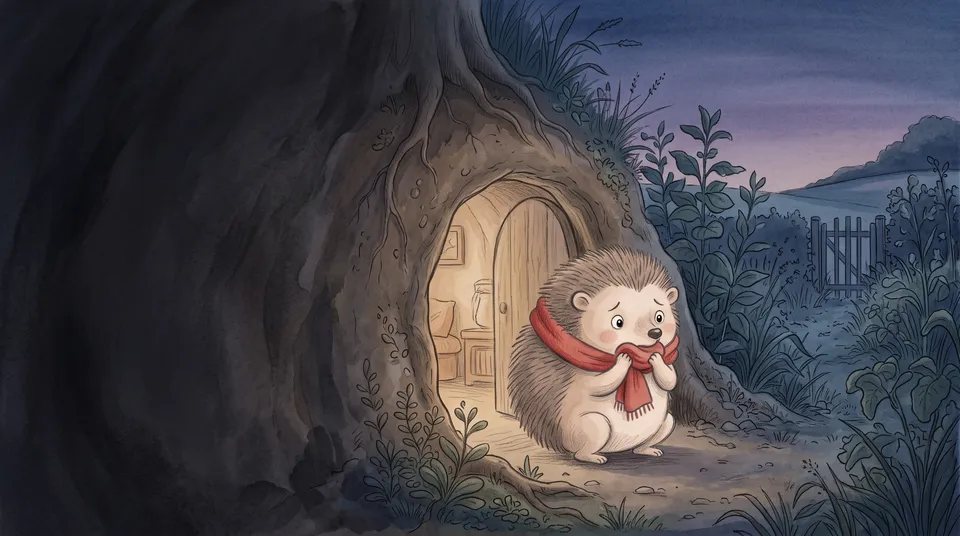
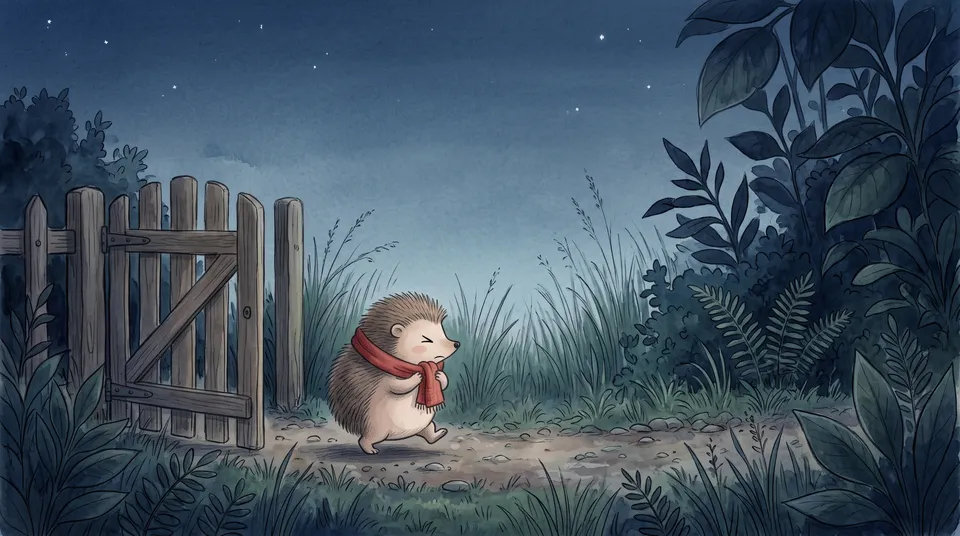
- One moment per spread, with the hero exactly as on the sheet and the book's style, palette and texture. Places stay the same from spread to spread: one home, one door, one tree, as the places sheet draws them.
- The hero's face and body show what that spread's words say they feel (scared, curious, brave), using the sheet's expressions, and they do exactly what the words say (where they look, where they stand, what they hold). The hero is large enough to read their face, a third of the spread's height or more, on every spread but one wide view at most.
- The light and time of day move as the words say (dusk to deep night), never back. Props are where the story has put them: a lantern the hero carries is in their paws, and nowhere else.
- A calm, simple area (sky, wall, floor) filling the third of the spread Story.md's words will sit on, painted with the same texture and light as the rest of the picture (never a flat box, a blank panel or a frame), and nothing important in the middle, where the book folds.
- Every spread is one finished painting edge to edge: no unfinished areas, borders or panels within it.
- No words in the pictures: the book sets them.
- Big shapes, clear faces and feelings, a warm light, and small details to find on a second read.
The book
Pages to turn, each filling the window:
- The cover first, shown whole: its title and hero never cropped, the picture fitted inside the page on a colour taken from it.
- Then each spread, the whole picture shown (fitted, never cropped), with its words from Story.md on a soft panel of warm paper colour (about 90% opaque, rounded corners, a gentle shadow), sized to the words and set on the calm third its Picture in Story.md names. Look at each spread before placing its panel: never over a character's face or body, or the middle, where the book folds. On a narrow screen the words go under the picture.
- The words in a rounded, friendly typeface big enough to read aloud from (at least 28 px on a laptop), dark on the panel, the same size on every spread, clear of the page arrows and dots.
- Arrows, swipes and the keyboard turn the pages, with dots that show where you are.
Read-aloud
Every spread's words in order, read warmly and slowly, with a pause at each page turn.
Avoid
A hero who changes between pages, words in the pictures, frightening or sharp-edged images, long sentences, a moral said out loud, and anything important in the fold.
Wired into 9 steps on the canvas, where you can change it.
More workflows
 Logo and brand guideThree directions of marks, then a brand board and a brand guide page.About 4 minutes
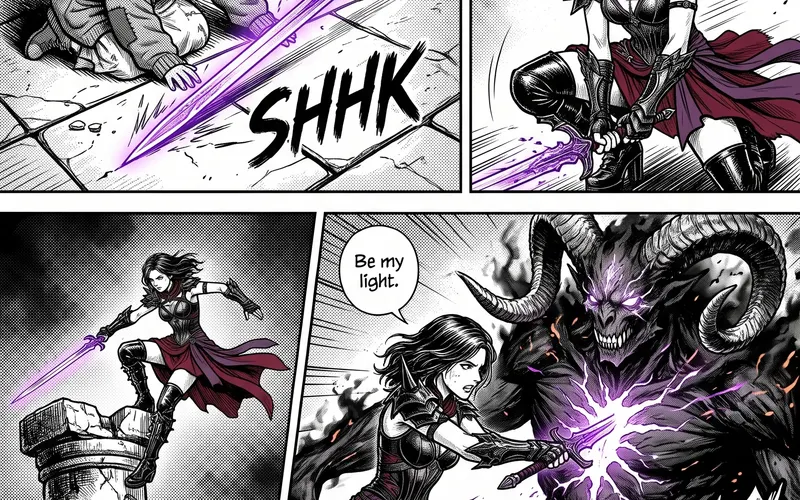 Manga chapterA cast sheet, a places sheet, a cover and inked pages that tell one short story.About 5 minutes
 Product photoshootYour product in a studio shot, a second angle, a close-up and a colourway.About 3 minutes